

The Grapevine

A grape scarcely found outside of Italy, Sangiovese is thought to be derived from the Latin “sanguis Jovis” which means “blood of Jupiter.” A bit of an opportunist, Sangiovese alters its genetics t...
Read more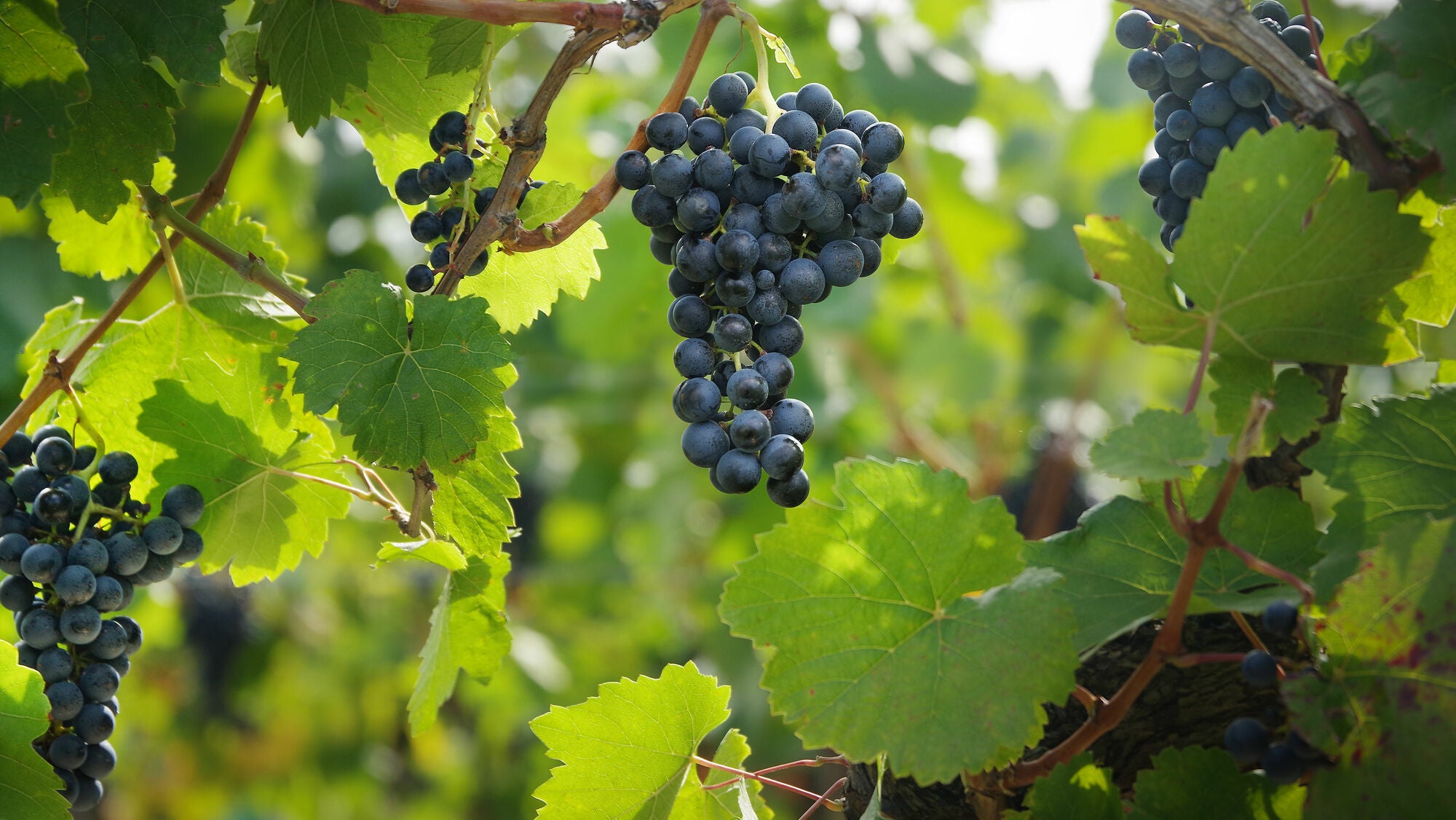
Grape Of The Week: Blaufränkisch
One of Austria’s most famous and beloved grapes, Blaufränkisch has been around since the Middle Ages. Thrives in colder climates, Blaufränkisch is also produced in upstate New York, Washington stat...
Read more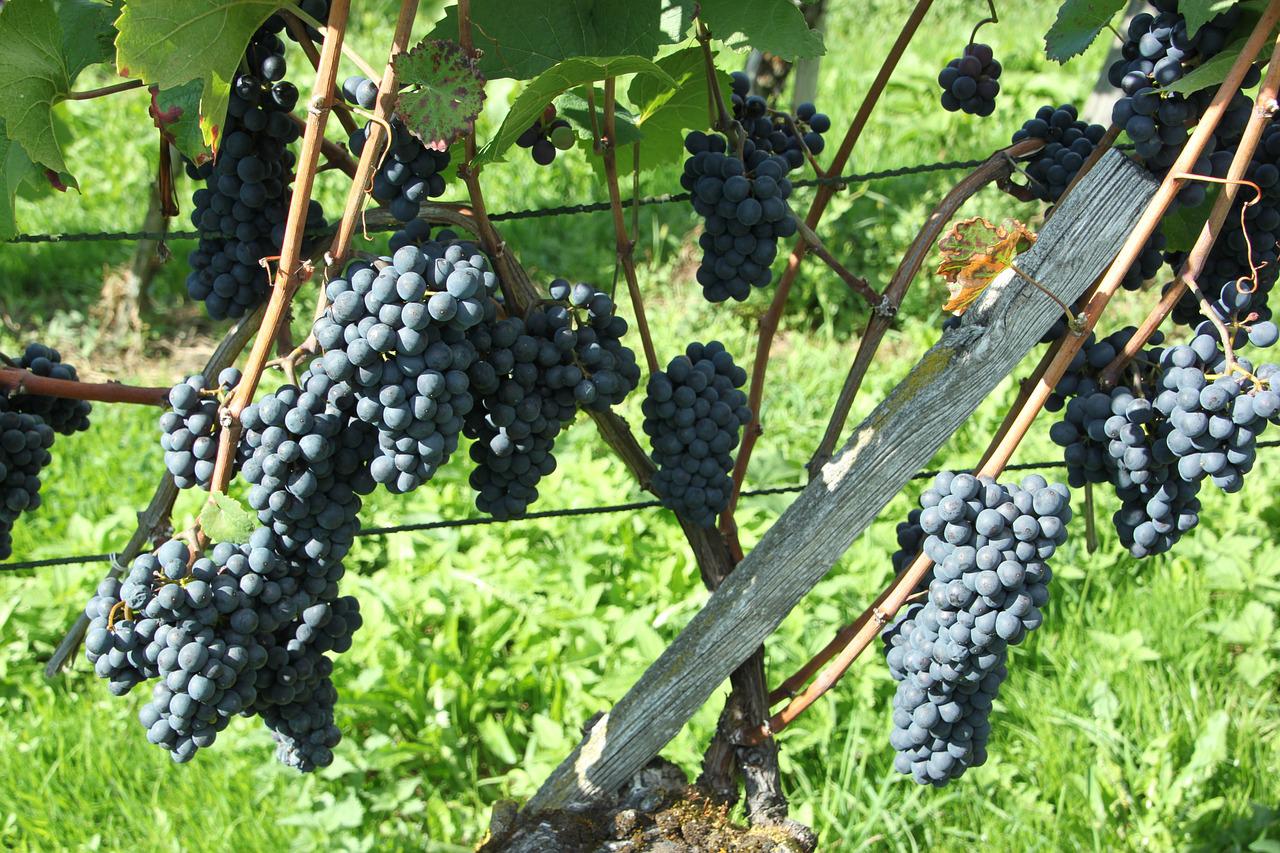
One of the oldest grapes in the world, Pinot Noir has been around since Roman times. Produced in most of the wine regions around the world, Pinot Noir can be made into red, rosé, white, and sparkli...
Read more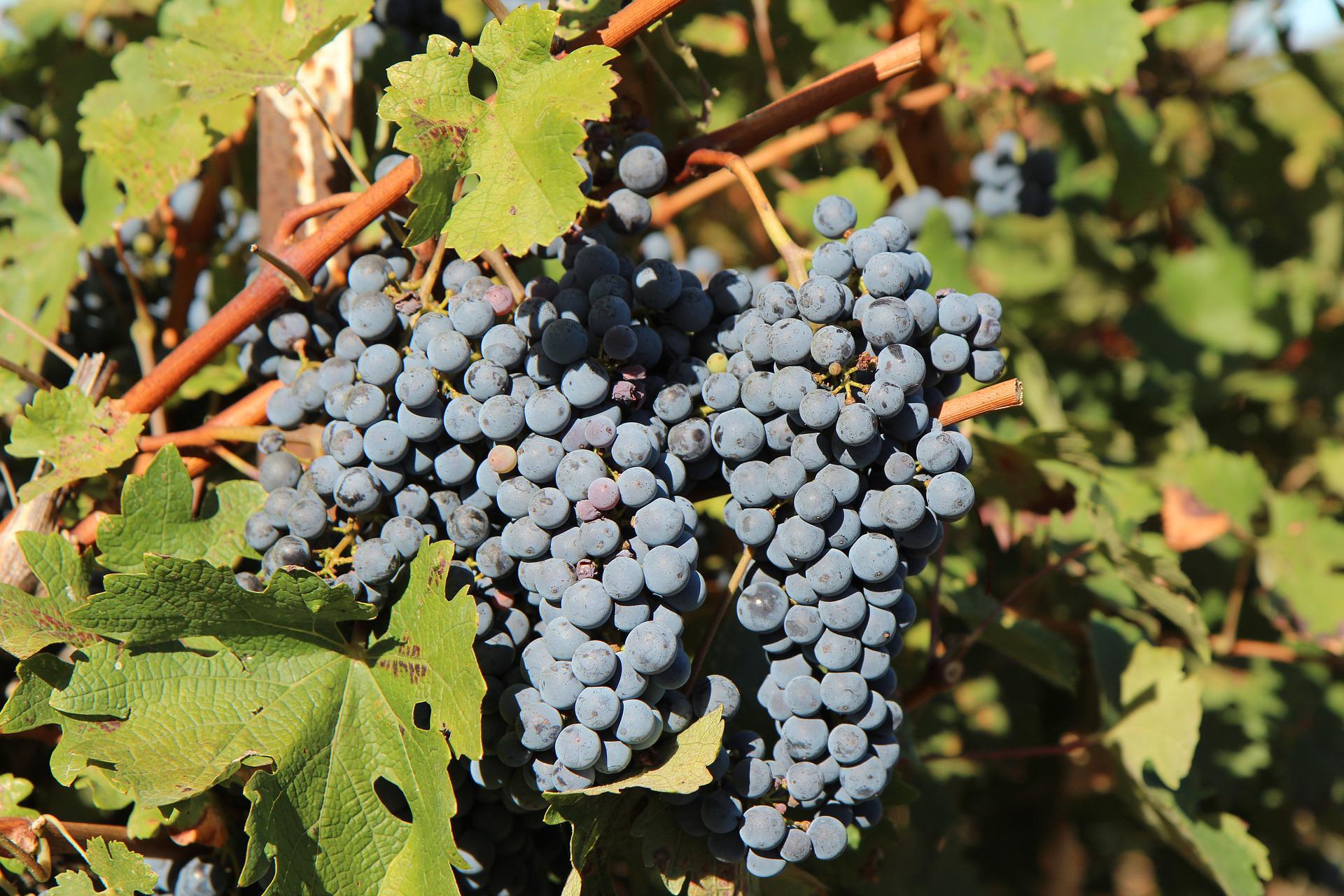
It’s not often that a grape is made, broken, and then remade by pop culture, but that’s the case with Merlot. After a ‘60 Minutes’ episode where a doctor essentially stated a glass of red wine a da...
Read more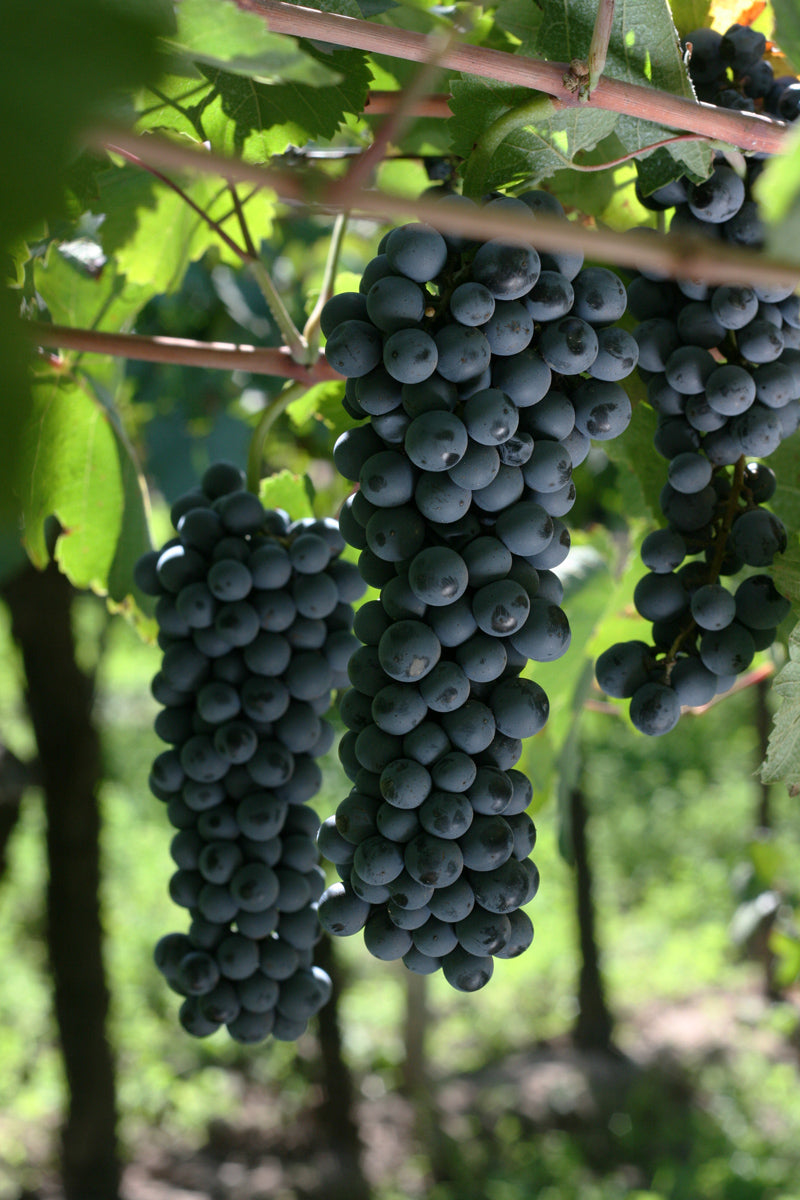
The second most planted grape in Argentina, Bonarda originates from Savoie, France where it is known as Douce Noir, or Charbono in Napa Valley.
Read more
Grape Of The Week: Hondarrabi Zuri
Named after a town in Basque, Hondarrabi Zuri is the dominant white grape in Basque, Spain. Although similar in name, Hondarrabi Zuri is not related to its red counterpart, Hondarrabi Beltza. With ...
Read more
A rare red grape from Piedmont, Pelaverga makes light-colored wines with a distinctive strawberry aroma which is normally associated with fruitier Pinot Noirs.
Read more
If you love Sauv. Blancs, you’re going to enjoy Vermentino! An Italian grape thought to be a sub-variety of Malvasia, Vermentino tends to be light-bodied and dry but complex.
Read more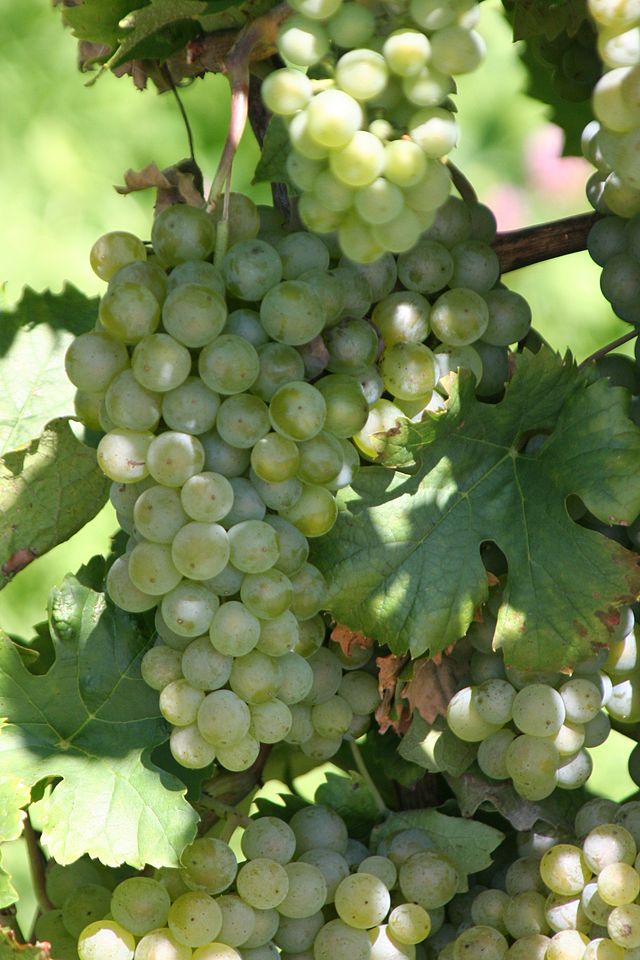
Grape Of The Week: Muller-Thurgau
A happy accident, Muller-Thurgau is a cross between Riesling and Madeleine Royale grapes. It was produced with the aim of combining all the advantages of Riesling while hoping it would ripen earlier.
Read more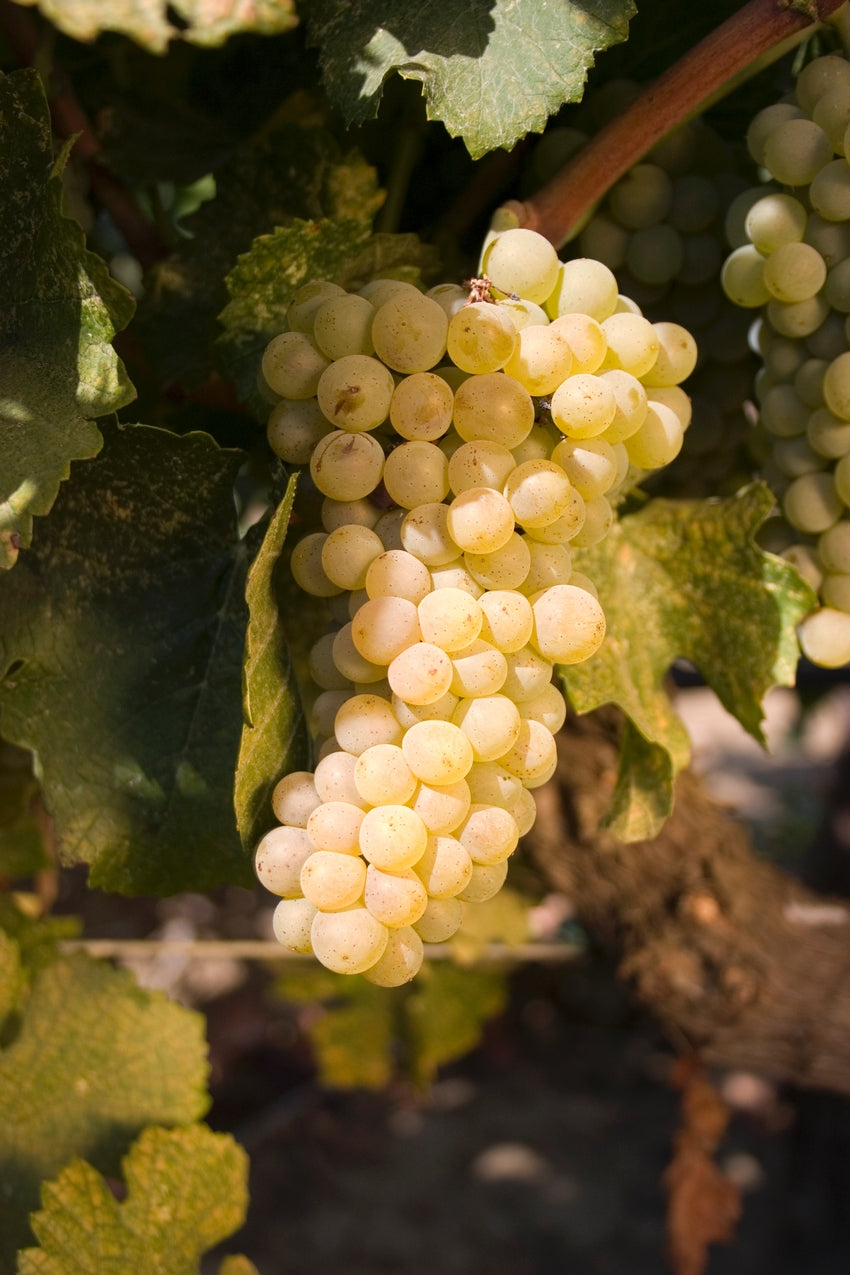
Grape Of The Week: Pinot Blanc
While Pinot Blanc is widely grown, it never has a leading role in the world of wine. A mutation of Pinot Gris, Pinot Blanc wines mostly originate from northern Italy, Germany, and Alsace, France.
Read more